
Knights Tree Surgery

Our safety policy

Tree surgery is one of the most dangerous trades in the UK. This is how we manage that risk on every job, for our team, for you and for the public.

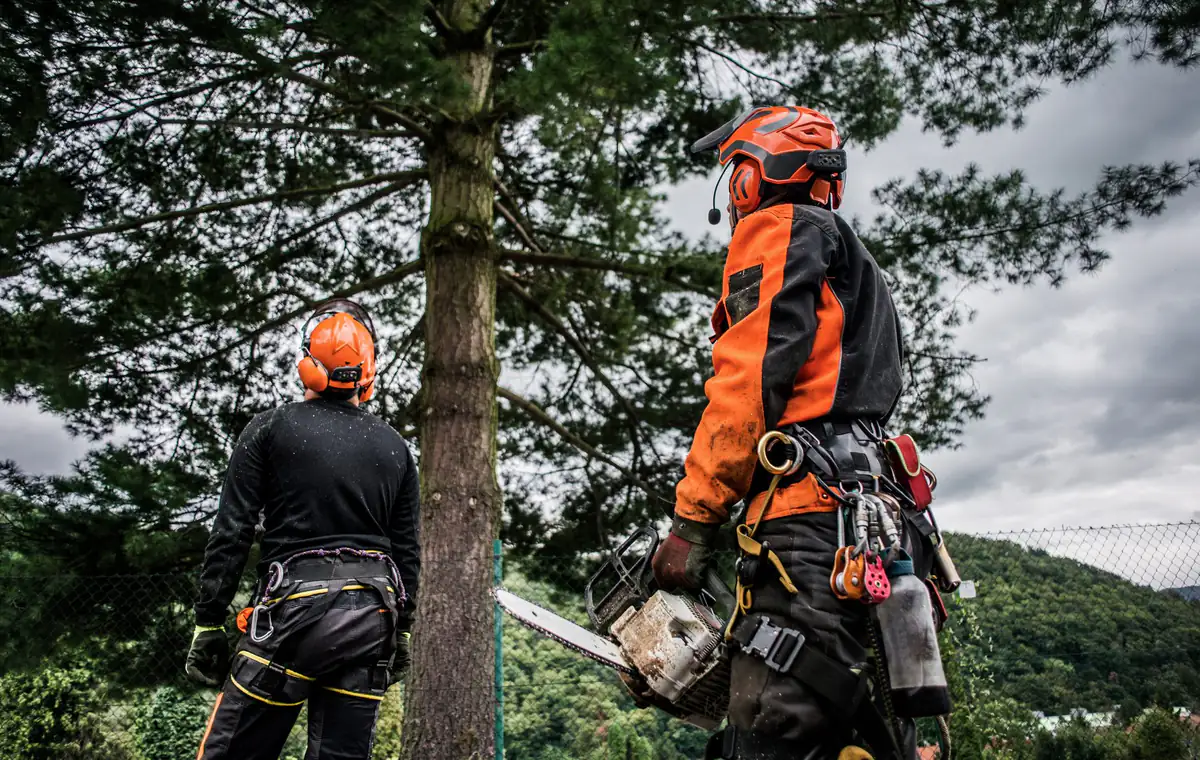
Two Knights Tree Surgery climbers in full PPE at the base of a tall conifer, checking ropes before a climb

Safe by design, not by luck

Every job, from a garden apple tree to a roadside oak, follows the same routine: the right people, the right kit, a plan written down before we start, and someone on the ground ready to act if anything goes wrong.

This page sets out what that means in practice. If you'd like to see our certificates, insurance or a sample risk assessment before you book, just ask.

Safety policy sections

  1. Section 1

    Our commitment

    Knights Tree Surgery is committed to carrying out all work safely and in line with the Health and Safety at Work etc. Act 1974, the Provision and Use of Work Equipment Regulations 1998, the Lifting Operations and Lifting Equipment Regulations 1998 and the Work at Height Regulations 2005.

    Nobody on our team is asked to do anything they haven't been trained and certified for. No job is worth an injury, and any member of the team can stop work if they think something is unsafe.

  2. Section 2

    Qualified people

    Every operator holds the NPTC / City & Guilds Land-Based Services certificates relevant to the work they do.

    • Chainsaw maintenance and cross-cutting (CS30 / 0020-03)
    • Felling small and medium trees (CS31 / 0020-04, CS32)
    • Tree climbing and aerial rescue (CS38 / 0020-13)
    • Aerial cutting using free-fall techniques (CS39 / 0020-14)
    • Windblown and damaged tree techniques for storm work
    • Woodchipper and stump grinder operation
    • Emergency first aid at work, including forestry-specific first aid
  3. Section 3

    Every job is planned before a saw starts

    We prepare a site-specific risk assessment and method statement for each job, covering the tree, the site, the access, what's underneath and around it, weather, and how we'll deal with an emergency. For domestic work this is done at the quote visit and confirmed on the day. For commercial and public sites we issue it in writing in advance.

    On the day, the team lead runs a short briefing before work starts: who's climbing, who's on the ground, where the drop zone is, where the rescue kit is and what the signal is to stop.

  4. Section 4

    Kit that's inspected, not assumed

    Climbing ropes, harnesses, karabiners, lanyards and rigging equipment are "lifting equipment" under LOLER. Every item is uniquely identified, logged and given a thorough examination by a competent person at least every six months, with a visual check before every use. Anything that fails is taken out of service immediately.

    Chainsaws, chippers and the stump grinder are maintained to the manufacturer's schedule, with chain brakes, guards and emergency stops checked daily.

  5. Section 5

    PPE, every time

    • Chainsaw-protective trousers and boots to EN 381
    • Helmet with visor and ear defenders to EN 397 / EN 12492 for climbing
    • Chainsaw-protective gloves
    • Eye protection and hi-vis on roadside and public sites
    • Climbing harness to EN 813 / EN 358

    PPE is the last line of defence, not the first. It's worn on every job, including the small ones, and replaced when it's damaged rather than when it's worn out.

  6. Section 6

    Aerial rescue

    Nobody climbs alone. Whenever a climber is in the tree there is a second trained climber on the ground with a rescue kit set up and ready, able to reach the injured climber within minutes. Rescue procedures are practised, not just certified.

  7. Section 7

    Protecting you, your neighbours and the public

    We set up an exclusion zone around every drop and rigging area and keep customers, neighbours and pets outside it while cutting is in progress. On roads and footpaths we use signs, cones and a banksman; where necessary we arrange traffic management or a road closure with the highways authority.

    Sections are lowered on ropes rather than dropped wherever there's anything below. Lawns are boarded, beds are sheeted and we keep the chipper on hard standing where we can.

  8. Section 8

    First aid and emergency procedure

    Every team carries a first aid kit suitable for chainsaw injuries, including large trauma dressings, and at least one member of each team holds a current first aid certificate.

    Before work starts we note the site postcode and the nearest access point for an ambulance, and we keep a charged phone within reach of the ground crew.

  9. Section 9

    Wildlife, trees and the environment

    We check for nesting birds before cutting between March and August, look for bats in mature trees with cavities and stop work if we find protected species. We check for Tree Preservation Orders and conservation-area status before any work. Fuel and oil are handled on drip trays and all arisings are recycled.

  10. Section 10

    Insurance

    • Public liability insurance in place for every job
    • Employer's liability insurance where required
    • Certificates available on request before any work starts

Questions about how we work?

Ask us for our insurance certificate, a sample risk assessment or copies of our certificates. We'd rather you asked than assumed.